Body doubling for ADHD: the focus trick that works
The focus trick that works — and barely makes sense.
Work alongside another person — same room, video call, even silent — and starting gets easier. The presence is the tool, not the help.
a 3-minute read, not a lectureBody doubling is doing a task in the quiet company of another person — same room or a video call — and it works because their presence anchors the ADHD brain to now and gently raises accountability and focus. You're not getting help with the task; you're borrowing a witness. Honest note: formal ADHD-specific research is still thin, but the underlying social-facilitation effect is well-studied.
1. You don't need help. You need a witness.
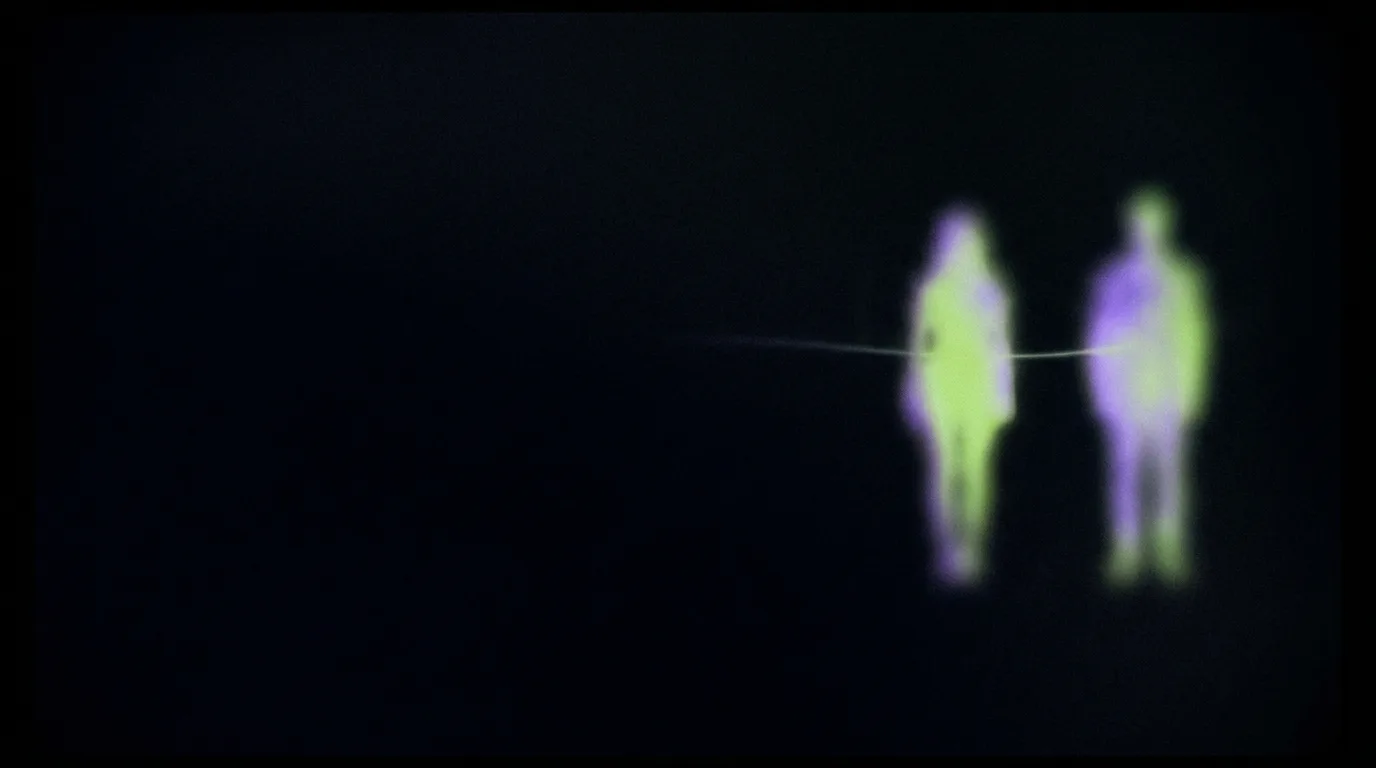
Body doubling is doing your task near another person who doesn't help, instruct, or interact — they're just there. No coaching, no nagging, no checking in. For a lot of ADHD brains, that quiet presence is enough to make starting and staying possible.
It sounds like it shouldn't work. And it does.
You don't need help. You need a witness.
2. Why a quiet presence unlocks the start.
Another person in the room adds a low level of external accountability and a little mild social activation (sources) — gentle environmental regulation that helps the brain engage with a task it would otherwise bounce off of. It's a quiet dopamine nudge, not willpower.
It isn't pressure. It's an anchor to now and a nudge past the starting wall — the executive function bottleneck where the task feels enormous and your brain just… won't. If that freeze tips into full overwhelm, body doubling is often the gentlest way through.
3. If this is your cheat code, these will land.
4. How to use it. The presence is the tool — borrow it on purpose.
None of this is "try harder." It's "stop white-knuckling the start alone, and put another person in the room."
In person
A friend, partner, or coworker just existing nearby. They don't have to do your task — or anything at all. Same table, same couch, same quiet.
Video co-work
A silent call with cameras on. You don't talk — you just see each other working. Presence travels through a screen better than you'd think.
Body-double apps & communities
Focusmate-style sessions match you with a stranger for a timed work block. Scheduled, structured, and someone's expecting you — that's the magic.
The "I'm about to…" text
Announce it to one person. "Starting my taxes now." You don't need a reply — saying it out loud to someone makes it real and pulls you off the start line.
Recurring scheduled sessions
Same time, same person, every week. When it's already on the calendar, you skip the decision to start entirely — it just happens because it's Tuesday.
Be the double for someone else
It works both ways. Offer to sit with a friend while they grind through their thing — and you'll often find your own focus shows up right alongside theirs.
5. Setting this up can itself be a task. These skip that part.
Everything above works with nothing to download — a text, a call, a friend. But if even organizing that feels like one more thing on the pile, these already have the room built.
Focusmate
Matches you with a stranger for a scheduled, camera-on session — 50 minutes, no talking required. Free tier gets you a few sessions a week; paid unlocks unlimited.
Flow Club
Video co-working with a small group instead of one stranger — more community feel, less one-on-one pressure. Sessions run on a schedule, with a host keeping the room low-key.
StudyStream
Browser-based, drop in anytime — no booking, no waiting for a slot. Free to join; built with students in mind, but the quiet-room effect works for any task you're avoiding.
Quick answers.
What is body doubling for ADHD? +
Why does body doubling work? +
Does body doubling work over video? +
How do I find a body double? +
Finishing is the part ADHD makes hard — so, genuinely: nice. Take one thing that clicked, not ten. The rest will keep.
One pattern like this, every week.
The Dot Connector — one pattern, one tool, one "oh THAT'S why," straight to your inbox. No spam, no shame.
Unsubscribe anytime. Privacy · Terms · Accessibility · Educational content, not medical advice.
